

Hire and Reward vs Goods in Transit Insurance
Both hire and reward and goods in transit insurance cover a range of business fleet types, ranging from taxi and private hire, food delivery, parcel couriers, vehicle transporters, and much more.
They’re often included under ‘courier fleet insurance’ services, but they can be applied to any fleet which makes money by transporting goods, people or vehicles. It’s important to understand the difference between each insurance type to ensure your policy includes the right, or both, forms of cover.
Understanding Hire and Reward insurance
Hire and reward insurance is a specialised commercial coverage type which allows you to carry passengers, parcels or goods for payment. It is known as ‘class 3 insurance’ and covers delivery drivers, couriers, taxis, funeral cars and much more.
Hire and reward insurance is a legal requirement for any business transporting people or goods for payment.
What Hire and Reward insurance covers

Hire and reward insurance protects different aspects of your fleet based on the level of coverage you have:
Get a Bespoke Fleet Insurance Quote
What Hire and Reward might not cover

It’s a common mistake to assume that hire and reward covers everything associated with delivery or passenger transport. It typically doesn’t cover:
Understanding Goods in Transit insurance
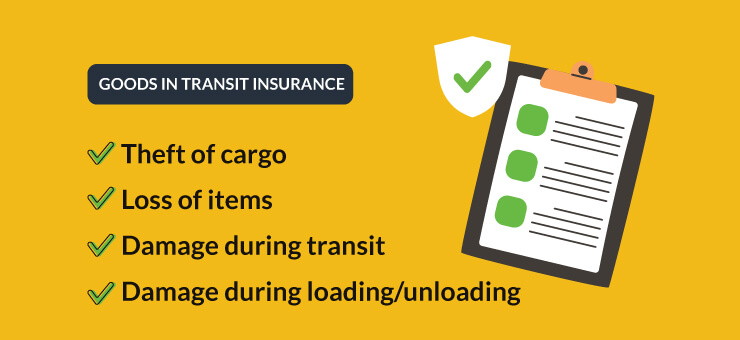
Goods in transit insurance is a specific form of business insurance which covers cargo itself, not the vehicle. It’s designed to cover damage to packages or tools which occurs during loading/unloading, theft from a locked vehicle, or damage/loss during transit.
What Goods in Transit insurance covers
What Goods in Transit might not cover
Goods in transit insurance typically does not cover:

The main differences between Goods in Transit and Hire and Reward insurance
The main difference between goods in transit and hire and reward insurance is that the former covers the cargo/packages you’re transporting, and the latter covers the vehicle(s) and the liability for the transport service itself.
Another key difference is that hire and reward insurance is a legal requirement to carry passengers or third-party goods for payment, whereas goods in transit is not a legal necessity, though it is highly recommended.
Who needs Goods in Transit insurance
Any business with a fleet of vehicles used for transporting goods, whether they belong to the business or a third-party, should get covered with goods in transit insurance to protect against damage, loss or theft to them during transit.
Whilst it’s not a legal requirement, any business who makes money through the transportation of goods should seek a goods in transit policy.
Who needs Hire and Reward insurance
Any business transporting people or goods for payment (including taxis, haulage and courier drivers) legally needs hire and reward insurance to protect all business activities. Driving without this is illegal and could lead to fines or vehicle seizure, halting your business proceedings entirely.
For goods in transit or hire and reward insurance, get in touch with FleetCover for a personalised and bespoke insurance quote.
Chat to Us
Rather get a policy created over the phone? Speak with our experts now:
Get a Quote
Get a quick quote from an insurance professional with our easy form and a few details: